Children with allergies suffer from repeated respiratory or skin symptoms due to the immune system overreacting to certain triggers. Therefore, improving the immunity of children with allergies becomes a necessary matter.
Not only to reduce the severity of symptoms, but also to support the body's ability to resist infections without increasing allergic reactions. Following a healthy and balanced lifestyle helps achieve this immune balance safely.
What is the relationship between allergies and weak immunity?
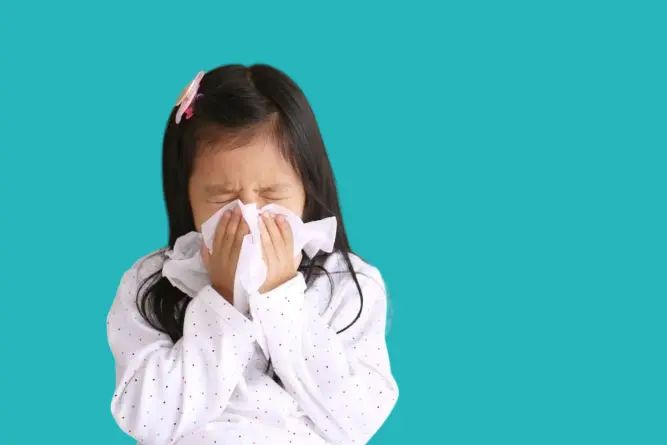 Supporting the immunity of children with allergies
Allergies do not mean a weak immune system, but they indicate a dysfunction in its response method. The immune system of a child with allergies overreacts to harmless substances, making improving children's immunity necessary to restore the balance between defense against microbes and reducing allergic irritation.
The importance of improving the immunity of children with allergies
The importance of improving the immunity of children with allergies appears in:
- Reducing the frequency of colds and infections.
- Alleviating the severity of allergy symptoms.
- Reducing the need for frequent medication use.
- Supporting normal physical and mental growth.
- Balanced immunity helps the child live better with allergies.
Proper nutrition to improve children's immunity
Nutrition plays a fundamental role in improving children's immunity, especially those with allergies. It is recommended to focus on:
- Leafy vegetables and fresh fruits.
- Foods rich in Vitamin C and Vitamin A.
- Light and easily digestible protein sources.
- Avoiding allergy-triggering foods according to the child's condition.
- A balanced diet supports the immune system without stimulating allergies.
The role of digestive system health in improving children's immunity
The digestive system is closely linked to immunity. Therefore, improving gut health contributes to improving children's immunity. Consuming foods rich in fiber and probiotics helps promote beneficial bacteria that support the immune response and reduce inflammation.
Regular sleep and its effect on immunity
Good sleep is one of the fundamental factors in improving children's immunity, as during sleep the body works on:
- Repairing cells.
- Regulating hormones.
- Strengthening the immune response.
- Lack of sleep may increase the severity of allergy symptoms and weaken the body's resistance to diseases.
Reducing environmental triggers to support immunity
Controlling the surrounding environment helps improve the immunity of children with allergies and includes:
- Reducing exposure to dust.
- Ventilating the house regularly.
- Avoiding smoke and strong odors.
- Cleaning bedding and toys constantly.
- A clean environment reduces the burden on the immune system.
The role of physical activity in improving children's immunity
Moderate physical activity helps improve children's immunity by activating blood circulation and enhancing immune system functions. It is recommended to practice activities suitable for the child's age without exhaustion, while taking care not to be exposed to allergy triggers during play.
When do we need to consult a doctor?
It is advised to see a doctor if parents notice:
- Abnormal frequency of infections.
- Increased severity of allergy symptoms.
- Poor appetite or weight loss.
- Medical evaluation helps develop a suitable plan to safely improve children's immunity.
Common questions about improving children's immunity
Can children's immunity be improved without medication?
Yes, it depends mainly on proper nutrition and a healthy lifestyle.
Are nutritional supplements safe for children with allergies?
They are used only after consulting a doctor to avoid any allergic reaction.
Do allergies affect a child's immunity in the future?
With proper care, allergies do not affect the growth or strength of immunity in the long term.
Article Summary
Improving the immunity of children with allergies requires achieving a delicate balance between strengthening the immune system and reducing allergic reactions. This depends on proper nutrition, good sleep, digestive system health, reducing environmental triggers, with medical follow-up when needed. Adherence to these factors helps the child enjoy better health and a more stable daily life.